
Hydraulic Elevator
Machine-room-less solution
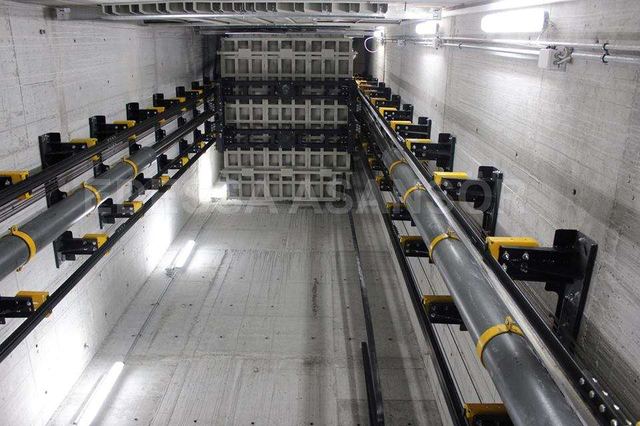
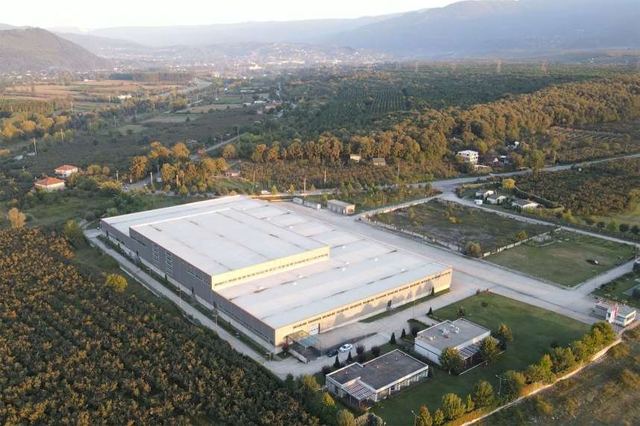
A hydraulic elevator transmits power through fluid pressure and can be installed without a machine room above the shaft; Edessa Asansör has been engineering and installing these systems at its Istanbul Istanbul facilities since 1994. Offering high load capacity with low power, hydraulic drive is the first choice for load-intensive applications and buildings with structural constraints.
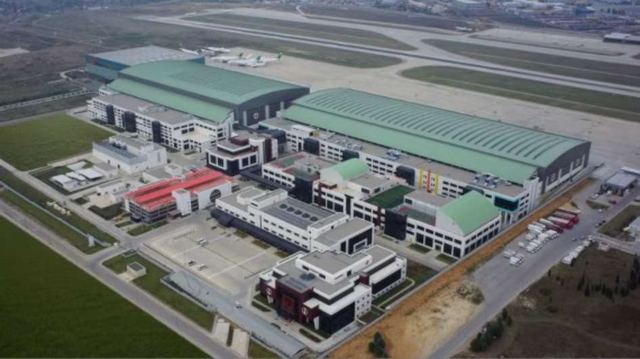
The capacity ceiling of hydraulic drive is higher than commonly assumed: the 10,000 kg hydraulic freight elevator at Eren Holding – Modern Karton, four independent 4,000 kg hydraulic freight elevators at Maya Tekstil and the 3,000 kg hydraulic freight elevator at the THY HABOM maintenance facility all bear the Edessa signature. The same technology also serves passenger and prestige applications; a fully panoramic hydraulic elevator with round-framed glass doors was delivered for an international banking project in Baku, and a hydraulic panoramic passenger elevator at the Organik Holding headquarters. Eliminating the machine room gives the architect freedom in roof and floor planning; in buildings with shallow pits and low headroom, Edessa's custom-dimension engineering experience comes into play.
Their quiet and smooth ride also makes hydraulic systems a preferred choice in showrooms, offices and residences where comfort expectations are high. After installation and commissioning, periodic maintenance and 24/7 technical support are provided by Edessa.
Key Features
- High load capacity with low power
- Installation without a machine room above the shaft
- Quiet and smooth ride characteristics
- Hydraulic system with precise control and safety mechanisms
- Custom-dimension engineering adaptable to buildings with a shallow pit
- One technology for freight, passenger, car and panoramic applications
Areas of Use

Project Photos

Frequently Asked Questions
What determines the price of a hydraulic elevator?
The main factors are load capacity, the number of stops, the sizing of the hydraulic power unit, cabin dimensions and finish selections, and the building's shaft and structural conditions. Whether it is a freight, passenger or panoramic application also affects cost; a firm figure is given in a quote after an on-site survey.
What are the advantages of a hydraulic elevator?
Its most distinctive advantage is that it does not require a machine room above the shaft, which brings architectural freedom in roof and floor planning. It also delivers high load capacity with low power, and its starts and stops are smooth. It excels in buildings with structural constraints and in load-intensive applications.
For how many floors is a hydraulic elevator suitable?
Hydraulic systems generally deliver the best results in low- and mid-rise buildings; for high-rise, high-traffic buildings, electric drive is recommended. A definitive assessment is made during the site survey based on the number of floors, travel distance and usage intensity.
Can a freight elevator be built with a hydraulic system?
Yes, hydraulic drive is widely used in heavy-load applications. Edessa references include a 10,000 kg hydraulic freight elevator at Eren Holding – Modern Karton, four 4,000 kg units at Maya Tekstil and a 3,000 kg unit at THY HABOM.